


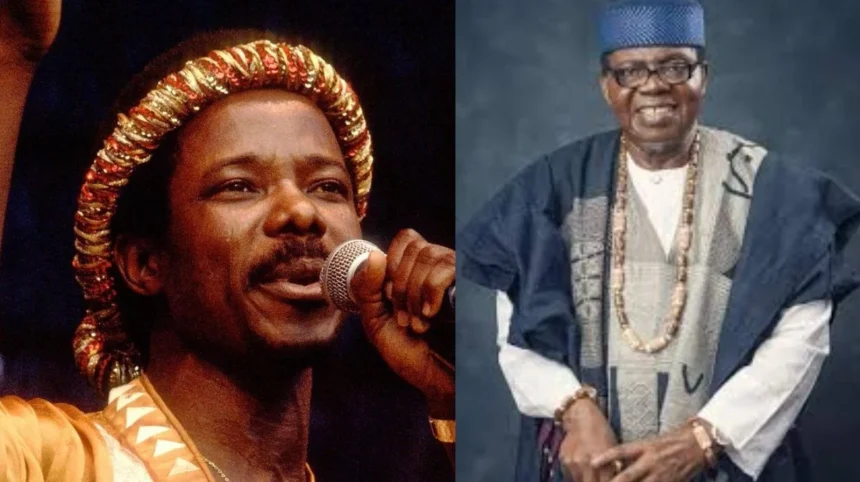

The richest Juju musician in Nigeria 2026 shows how traditional music can create lasting wealth. Juju music, a blend of traditional Yoruba rhythms with modern instruments, has produced some of Nigeria’s most legendary artists. These musicians built their fortunes through decades of performances, album sales, and business ventures.
From Lagos to London, from New York to Paris, these Juju legends have taken Nigerian music to the world. They started in the 1960s and 1970s when Juju music ruled Nigeria. Today, their music still plays at parties, weddings, and celebrations across Yorubaland.
- Top 10 Richest Juju Musicians in Nigeria 2026 – Quick List
- How We Found the Richest Juju Musician in Nigeria
- Top 10 Richest Juju Musicians in Nigeria 2026
- What Is Juju Music?
- Why Juju Musicians Became Wealthy
- Juju Music vs Afrobeats: Wealth Comparison
- The Golden Age of Juju Music (1970-1990)
- How Juju Musicians Stay Relevant in 2026
- Frequently Asked Questions
- Conclusion: Juju Music’s Lasting Wealth Legacy
In 2026, these veteran musicians continue earning from their vast music catalogs, business investments, and occasional performances. Their combined wealth proves that Juju music created millionaires long before Afrobeats dominated the global stage.
Top 10 Richest Juju Musicians in Nigeria 2026 – Quick List
- King Sunny Ade – $55 million (Music & Business Investments)
- Chief Ebenezer Obey – $5 million (Music & Gospel Ministry)
- Sir Shina Peters – $3 million (Afro-Juju Music)
- Chief Dele Ajayi – $2.5 million (Music & Real Estate)
- Adewale Ayuba – $2 million (Fuji-Juju Fusion)
- Obesere – $1.8 million (Fuji-Juju Music)
- Tolu Obey – $1.5 million (Music & Family Legacy)
- Dayo Kujore – $1.2 million (Juju Music)
- Yinka Ayefele – $1 million (Gospel-Juju Fusion)
- Shefiu Alao – $800,000 (Juju-Fuji Music)
How We Found the Richest Juju Musician in Nigeria
We focused on artists who built their careers primarily through Juju music. These are musicians who made Juju popular in Nigeria and around the world. We checked their music careers, business investments, and assets carefully.
Our wealth estimates come from Nigerian entertainment publications, music industry sources, and verified reports. We looked at album sales, concert earnings, endorsements, and business ventures as of February 2026.
Top 10 Richest Juju Musicians in Nigeria 2026
1. King Sunny Ade – $55 Million
King Sunny Ade is the richest Juju musician in Nigeria with wealth of $55 million. Born Sunday Adeniyi Adegeye on September 22, 1946, in Osogbo, Ondo State, he revolutionized Juju music. At 79 years old, he remains Nigeria’s greatest Juju export to the world.
King Sunny Ade made history as the first Nigerian artist nominated twice for Grammy Awards. His 1982 album “Juju Music” and 1983 “Synchro System” brought him international fame. Island Records signed him and promoted him as “The African Bob Marley.”
How He Built His Wealth:
- Over 100 albums released since the 1960s
- International tours across America, Europe, and Africa
- Island Records deal in the 1980s worth millions
- King Sunny Ade Foundation for young musicians
- Oil company, mining company, and film production investments
- Record label for African artists
- First Nigerian musician to own a Rolls Royce
2026 Status: King Sunny Ade still performs occasionally at major events. His company employs about 700 people across different businesses. He sold a famous guitar painting for ₦52 million in 2016. His music catalog continues earning royalties globally.
He holds the title of Member of the Order of the Federal Republic (MFR). He serves as chairman of the Musical Copyright Society of Nigeria. His foundation includes a performing arts center and state-of-the-art recording studio.
2. Chief Ebenezer Obey – $5 Million
Chief Ebenezer Obey has wealth of $5 million from his legendary music career. Born Ebenezer Remilekun Aremu Olasupo Obey-Fabiyi on April 3, 1942, in Idogo, Ogun State, he is 83 years old. People call him “Chief Commander” for his commanding stage presence.
Ebenezer Obey formed The International Brothers band in 1964, playing highlife-juju fusion. The band later became Inter-Reformers in the early 1970s. He released over 100 albums on the West African Decca label.
His Music Empire:
- Over 660 songs composed across 50+ years
- International tours in the 1980s brought global recognition
- Grammy nomination for “Evergreen Songs Originality” in 1984
- Transitioned into gospel music ministry in the 1990s
- Ebenezer Obey Music Foundation Scholarship Scheme
- General Overseer of Decross International Ministries
- Multiple luxury cars including Mercedes Benz fleet
Gospel Ministry: Since the early 1990s, Obey focused more on Christian spiritual themes. He performs alongside gospel music veterans like Pastor Kunle Ajayi. His songs often contain moral lessons and Yoruba proverbs.
Chief Ebenezer Obey married Juliana Olaide Olufade in 1963. She passed away in August 2011. They have children and grandchildren, including son Tolu Obey who followed his father into music.
3. Sir Shina Peters – $3 Million
Sir Shina Peters built $3 million through Afro-Juju music. Born Oluwashina Akanbi Peters on May 30, 1958, he’s 67 years old. He revolutionized Juju by adding fast-paced Afrobeat rhythms, creating Afro-Juju.
His 1989 debut album “Ace (Afro-Juju Series 1)” went double platinum. Produced by CBS Records Nigeria, it became one of Nigeria’s biggest music hits. The album sold millions of copies across West Africa.
Career Highlights:
- Afro-Juju pioneer blending Juju with Afrobeat
- Ace album sold over 8 million copies
- International Stars band leader since 1989
- Multiple awards from Nigerian Entertainment Awards
- Endorsement deals worth millions
- Real estate investments in Lagos
Afro-Juju Innovation: Shina Peters added fast drum patterns, synthesizers, and Afrobeat influences to traditional Juju. His energetic stage performances attracted younger audiences. He brought Juju music into nightclubs and made it danceable.
His music influenced a generation of Nigerian artists. Many modern musicians credit Shina Peters for modernizing traditional Yoruba music.
4. Chief Dele Ajayi – $2.5 Million
Chief Dele Ajayi has wealth of $2.5 million from Juju music and business. A veteran Juju musician, he’s known for his smooth vocals and guitar mastery. He built his fortune through consistent performances and smart investments.
Business Success:
- Decades of Juju album releases
- Regular performances at high-society events
- Real estate investments in Lagos and Ogun States
- Music equipment rental business
- Band management and talent development
Chief Dele Ajayi represents the traditional Juju musician who stayed true to the genre. He performs at weddings, naming ceremonies, and corporate events across Southwest Nigeria.
5. Adewale Ayuba – $2 Million
Adewale Ayuba built $2 million blending Fuji and Juju music. Born in Lagos, he started young and became famous for modernizing traditional music. His Bonsue Fuji style mixes Fuji with Juju elements.
Musical Innovation:
- Bonsue Fuji creator
- Multiple hit albums since the 1990s
- International tours in Europe and America
- Endorsement deals with major brands
- Music production business
Ayuba’s ability to blend genres attracted both Juju and Fuji fans. His modern approach brought traditional music to younger audiences.
6. Obesere – $1.8 Million
Obesere (Abass Akande Obesere) has wealth of $1.8 million from Fuji-Juju fusion. Known for his energetic performances and controversial lyrics, he built a strong following. His music blends traditional Yoruba rhythms with modern beats.
Career Earnings:
- Over 30 albums released
- Regular performances at major events
- International shows across Africa and Europe
- Music royalties from streaming platforms
- Business investments in entertainment
Obesere’s music often sparks controversy but his fans remain loyal. He continues performing regularly across Nigeria.
7. Tolu Obey – $1.5 Million
Tolu Obey has wealth of $1.5 million carrying his father’s legacy. As Ebenezer Obey’s son, he grew up surrounded by Juju music. He modernized his father’s sound while respecting traditional elements.
Family Legacy:
- Released several albums since 2000s
- Performs his father’s classic songs
- Modern Juju fusion style
- International performances
- Music production and band management
Tolu Obey represents the new generation of Juju musicians. He keeps the genre alive by introducing it to younger audiences.
8. Dayo Kujore – $1.2 Million
Dayo Kujore built $1.2 million through pure Juju music. A veteran performer, he stayed true to traditional Juju style. His guitar skills and vocal ability made him popular across Yorubaland.
Traditional Juju Master:
- Multiple albums since the 1980s
- Regular performances at traditional events
- Respected elder in Juju music community
- Mentored younger musicians
- Business investments in music equipment
Dayo Kujore’s traditional approach appeals to Juju purists. He maintains the original Juju sound without excessive modernization.
9. Yinka Ayefele – $1 million
Yinka Ayefele has wealth of $1 million from Gospel-Juju fusion. Despite a car accident that left him wheelchair-bound in 1997, he built an amazing music career. His inspirational songs blend Juju with gospel messages.
Inspirational Journey:
- Fresh FM radio station owner
- Multiple gospel-Juju albums
- Massive following across Nigeria
- International gospel tours
- Music Academy training young musicians
Ayefele’s story inspires millions. He turned tragedy into triumph through music. His Fresh FM stations broadcast across Southwest Nigeria.
10. Shefiu Alao – $800,000
Shefiu Alao completes our list with $800,000 from Juju-Fuji music. He blends both genres effectively, creating a unique sound. His praise-singing ability makes him popular at high-society events.
Career Success:
- Regular performer at elite events
- Multiple albums across 20+ years
- Strong fanbase in Lagos and Ogun States
- Live performance earnings
- Music equipment business
Shefiu Alao’s versatility in both Juju and Fuji gives him wider appeal. He performs at weddings, coronations, and corporate events.
What Is Juju Music?
Juju music is a Nigerian music genre that started in the 1920s among the Yoruba people. It blends traditional Yoruba percussion with Western guitars, talking drums, and keyboards.
Key Elements of Juju Music:
- Talking Drums: The dundun (talking drum) creates the rhythmic backbone
- Guitars: Multiple guitars create layered melodies
- Call and Response: Lead singer and chorus interact throughout songs
- Praise Singing: Artists praise wealthy patrons and important people
- Yoruba Proverbs: Songs contain deep Yoruba wisdom and sayings
- Long Performances: Juju performances often last 2-4 hours
Famous Juju Pioneers:
- Tunde Nightingale (influenced King Sunny Ade)
- I.K. Dairo (modernized Juju with accordion)
- Ebenezer Obey (added more instruments)
- King Sunny Ade (took Juju international)
Why Juju Musicians Became Wealthy
The richest Juju musicians in Nigeria built wealth through multiple sources:
Album Sales:
- Physical albums sold millions in the 1970s-1990s
- Cassette tapes dominated Nigerian markets
- Vinyl records sold internationally
- Modern streaming provides ongoing royalties
Live Performances:
- Wealthy Nigerians hire Juju bands for events
- Wedding performances pay huge sums
- Corporate events and parties
- International tours in Europe and America
Business Investments:
- Real estate across Lagos and Southwest Nigeria
- Music equipment rental companies
- Record labels signing younger artists
- Radio stations and media businesses
Patronage System:
- Rich Nigerians “spray” money during performances
- Businessmen sponsor albums
- Politicians hire bands for rallies
- Social clubs pay for exclusive performances
Juju Music vs Afrobeats: Wealth Comparison
Modern Afrobeats artists like Wizkid ($100M) and Davido ($95M) earn far more than Juju legends. But Juju musicians built wealth in a different era with different opportunities.
Why Afrobeats Makes More Money:
- Global streaming platforms worth billions
- International record deals
- Stadium concerts worldwide
- Brand endorsements from global companies
- Social media monetization
Why Juju Made Less Money:
- Limited to Nigerian and West African markets
- No internet or global distribution
- Physical album sales only
- Limited international touring opportunities
- No streaming income during peak years
But Juju Musicians Had Advantages:
- Longer career spans (50+ years)
- Strong patronage from wealthy Yoruba elite
- Multiple business decades to invest
- Real estate appreciation over time
- Respected elder status brings opportunities
The Golden Age of Juju Music (1970-1990)
The 1970s through 1990s represented Juju music’s peak. King Sunny Ade and Ebenezer Obey dominated Nigerian music during this period.
Why Juju Dominated:
- No Afrobeats competition yet
- Yoruba elite controlled Nigerian business
- Live band performances ruled entertainment
- Radio stations played mostly Juju
- Social events featured Juju bands exclusively
Major Achievements:
- King Sunny Ade’s Grammy nominations (1983, 1998)
- Island Records signed King Sunny Ade
- Juju tours across Europe and America
- Millions of albums sold across Africa
- International media covered Juju music
The Decline:
- Hip hop and Afropop emerged in late 1990s
- Younger audiences preferred faster music
- Video age favored visual artists
- Juju seemed old-fashioned to youth
- Many Juju stars retired or reduced activity
How Juju Musicians Stay Relevant in 2026
Despite Afrobeats dominance, Juju music survives through:
Traditional Events:
- Yoruba weddings still feature Juju bands
- Chieftaincy coronations require Juju music
- Naming ceremonies hire Juju musicians
- Funeral ceremonies need traditional sounds
Nostalgia Market:
- Middle-aged and elderly Nigerians love Juju
- Yoruba diaspora seeks cultural connection
- Classic Juju streams online
- Revival concerts attract crowds
Gospel Music:
- Many Juju artists now play gospel
- Churches hire Juju bands
- Gospel-Juju fusion attracts Christians
- Religious events pay well
Cultural Preservation:
- Government cultural programs
- University lectures and workshops
- Music festivals feature Juju legends
- Awards honor veteran musicians
Frequently Asked Questions
King Sunny Ade is the richest Juju musician in Nigeria with $55 million. He made his money from over 100 albums, international tours, Grammy nominations, and smart business investments including oil, mining, and entertainment companies.
King Sunny Ade has a net worth of $55 million in 2026. He built this wealth through his legendary music career spanning 60+ years, business investments, and continues earning from his vast music catalog and occasional performances.
Juju music is less popular than Afrobeats but remains strong in Yoruba cultural events. Traditional weddings, coronations, and ceremonies still feature Juju bands. Middle-aged and elderly Yorubas continue supporting Juju music.
Juju musicians earn from live performances at traditional events, streaming royalties from their classic albums, occasional concerts, gospel music ministry, teaching and mentorship programs, and business investments made during their peak years.
King Sunny Ade earned this title by taking Juju music international, getting two Grammy nominations (first Nigerian ever), signing with Island Records, touring globally, and selling millions of albums. His influence on Juju music is unmatched.
Juju music uses guitars, keyboards, and melodious singing with traditional drums. Fuji music focuses more on percussion, Islamic themes, and call-and-response vocals. Juju appeals to Christians while Fuji traditionally attracts Muslims.
Young artists can earn modestly from Juju music by performing at traditional events, blending Juju with modern sounds, teaching Juju music, and targeting the nostalgia market. However, Afrobeats offers better wealth opportunities.
Top Juju legends charge ₦5-15 million ($3,000-$10,000) per performance at major events. Mid-level Juju artists charge ₦1-3 million ($700-$2,000). Smaller bands charge ₦200,000-500,000 ($130-$350) for local events.
Conclusion: Juju Music’s Lasting Wealth Legacy
The richest Juju musicians in Nigeria 2026 prove that traditional music can create lasting wealth. From King Sunny Ade’s $55 million empire to Ebenezer Obey’s $5 million fortune, these legends built impressive careers.
Juju music dominated Nigeria from the 1960s through 1990s. These musicians performed for presidents, kings, and business tycoons. They sold millions of albums before streaming existed. They toured internationally when few African artists could.
King Sunny Ade’s two Grammy nominations made history. He showed the world that Nigerian music had value. Ebenezer Obey’s 660 songs remain unmatched in African music history. Shina Peters revolutionized the genre with Afro-Juju.
These musicians invested their earnings wisely. They bought real estate, started businesses, and created foundations. Today, their companies employ hundreds of people. Their music still generates royalties globally.
While Afrobeats artists now make more money, Juju musicians paved the way. They proved Nigerian music could succeed internationally. They created business models modern artists still use. They showed that traditional sounds have global appeal.
In 2026, Juju music survives through traditional events and cultural preservation. The genre may never dominate again, but it will never die. Every Yoruba wedding, every coronation, every cultural celebration keeps Juju alive.
Young musicians can learn from Juju legends. Build your brand slowly over decades. Invest your earnings wisely. Respect your culture while innovating. Create timeless music that lasts generations.
The richest Juju musicians in Nigeria built wealth that outlasted trends. Their music remains relevant 60 years later. Their businesses continue generating income. Their legacy inspires new generations.
As Nigeria grows, Juju music’s cultural importance endures. These wealthy musicians showed that traditional music creates lasting value. With determination, talent, and business sense, anyone can build wealth through African music.
Also, You can read my other articles on Relationship
120+ Good Morning Prayer for My Boyfriend to Bless His Day
Broken Trust? How to Rebuild Your Relationship Fast